
One of the most common questions artists ask is:
“How do I make my painting more abstract?”
Many of us learned that good art equals realistic art. So when we try to loosen up and paint more freely, it can feel uncomfortable.
Abstract painting isn’t about being careless.
In fact, it’s often about simplifying, editing, and trusting your instincts.
One of the easiest ways to start is by working with flat hog bristle brushes. Their firm, natural bristles push paint confidently across the surface, making bold strokes and textures that help you move away from tight, detailed painting.
Below are 16 easy techniques you can experiment with to make your paintings more abstract.
Remember — treat these as experiments, not rules.
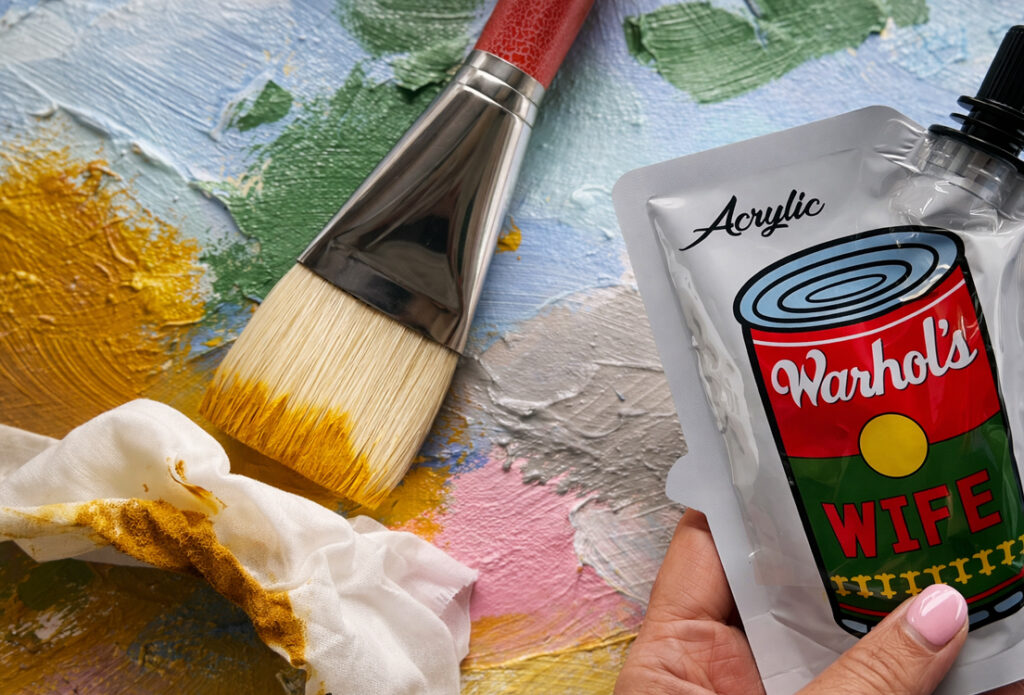
1. Add Paint… Then Remove It
Abstract paintings often evolve through layers of doing and undoing.
With a flat hog bristle brush, lay down confident strokes. Then, partially remove areas using a rag, scraper, or wipe.
The remaining traces create beautiful depth and history.
Try this:
For every 3 brush strokes you add, remove or soften one.
For every 3 brush strokes you add, remove or soften one.
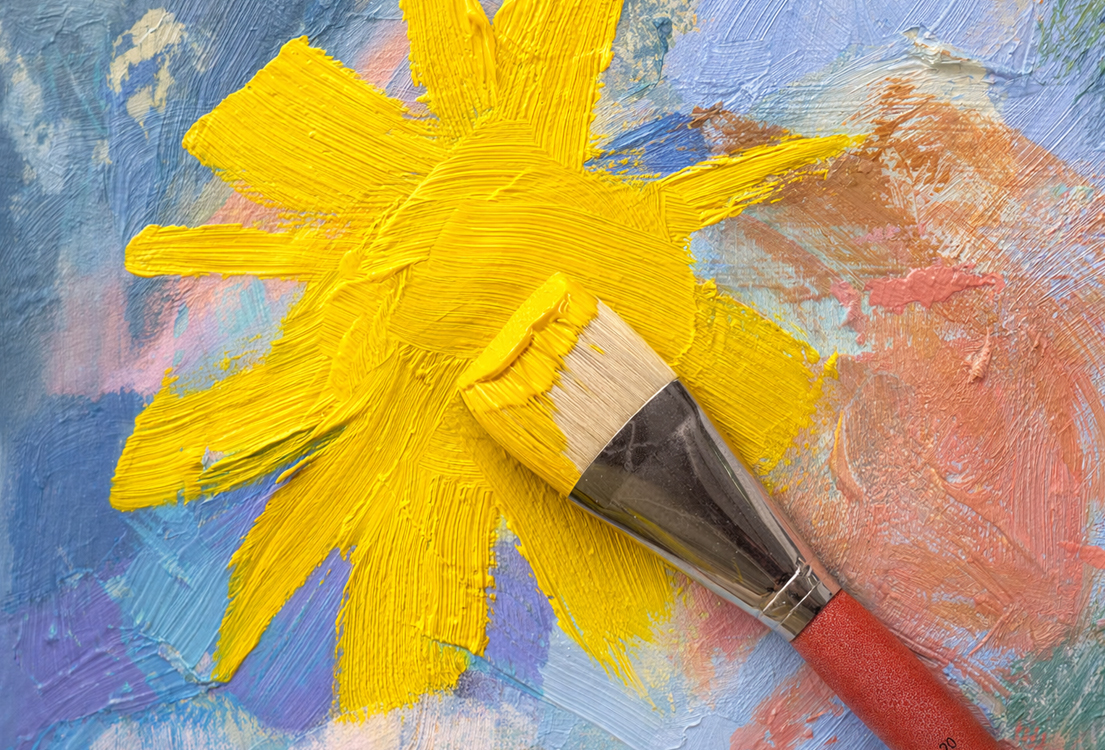
2. Simplify the Subject
Realistic painting includes everything.
Abstract painting focuses on what matters most.
Abstract painting focuses on what matters most.
Instead of painting every detail, reduce shapes to their essentials.
Try this:
Paint your subject using only the main shapes with a wide flat brush.
Paint your subject using only the main shapes with a wide flat brush.
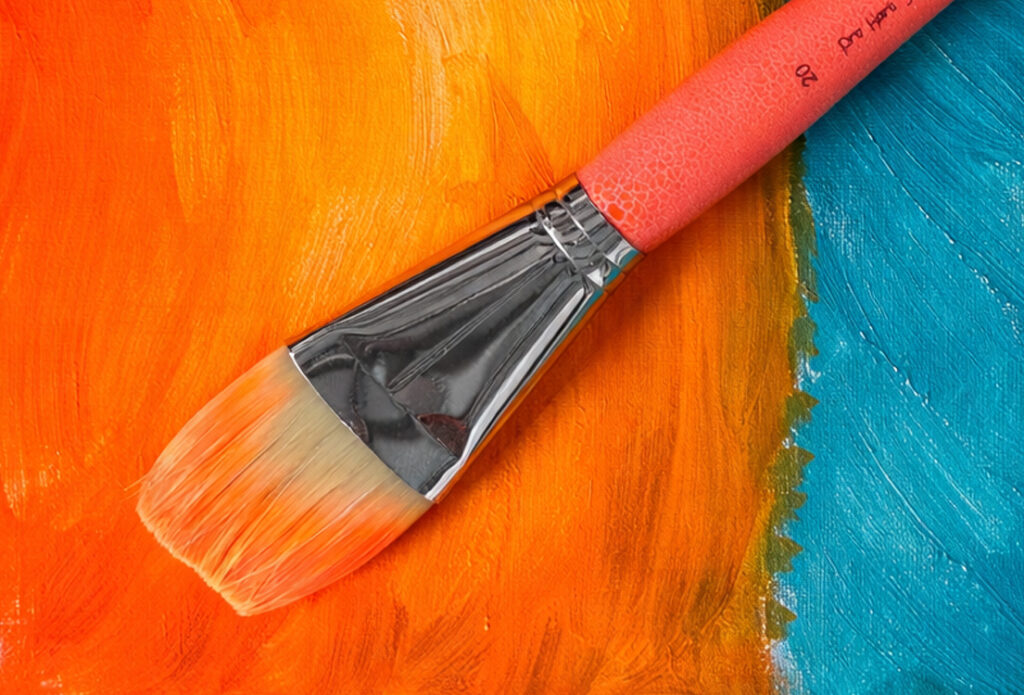
3. Use Glazes to Unify the Painting
Sometimes a painting feels scattered.
A transparent glaze can gently tie everything together.
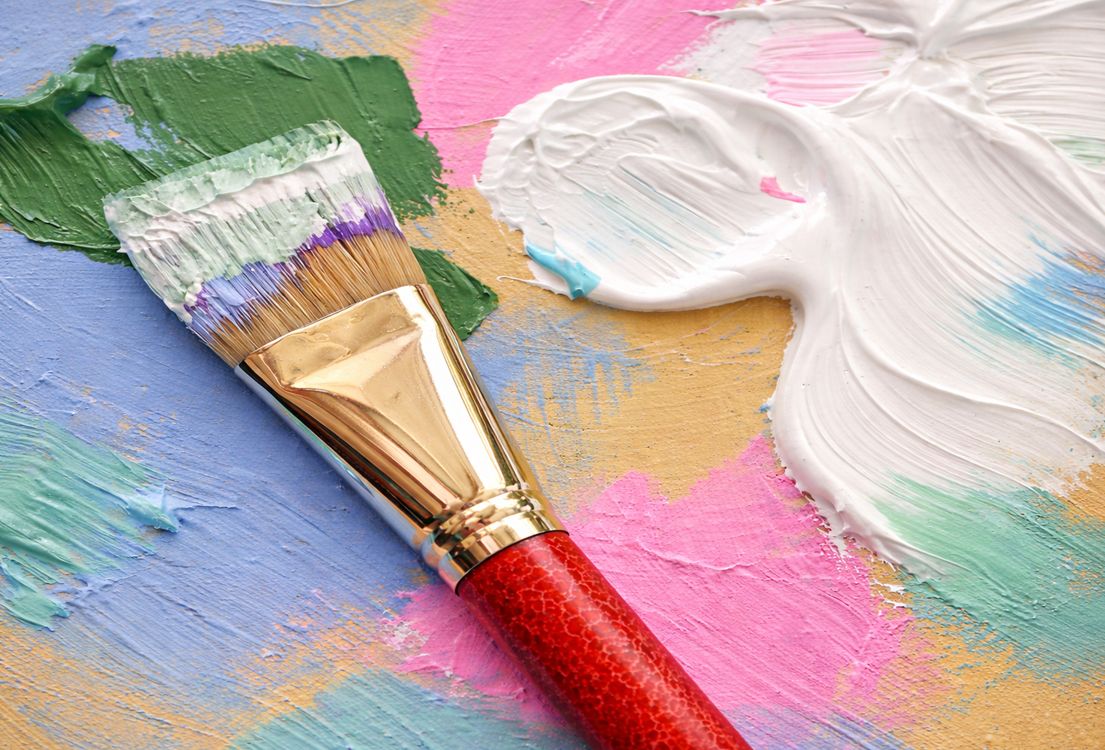
Flat brushes are perfect for laying smooth, thin layers across the surface.
Try this:
Mix a little glazing medium into your paint and brush it lightly across the painting.
Mix a little glazing medium into your paint and brush it lightly across the painting.
4. Use Larger Brushes
If you want more expressive marks, work bigger.
Flat hog bristle brushes naturally create strong, painterly strokes.
They help you avoid tiny, overworked details.
Try this:
Paint an entire study using only one large flat brush.
Paint an entire study using only one large flat brush.
5. Let the Paint Behave Naturally
Paint has its own personality.
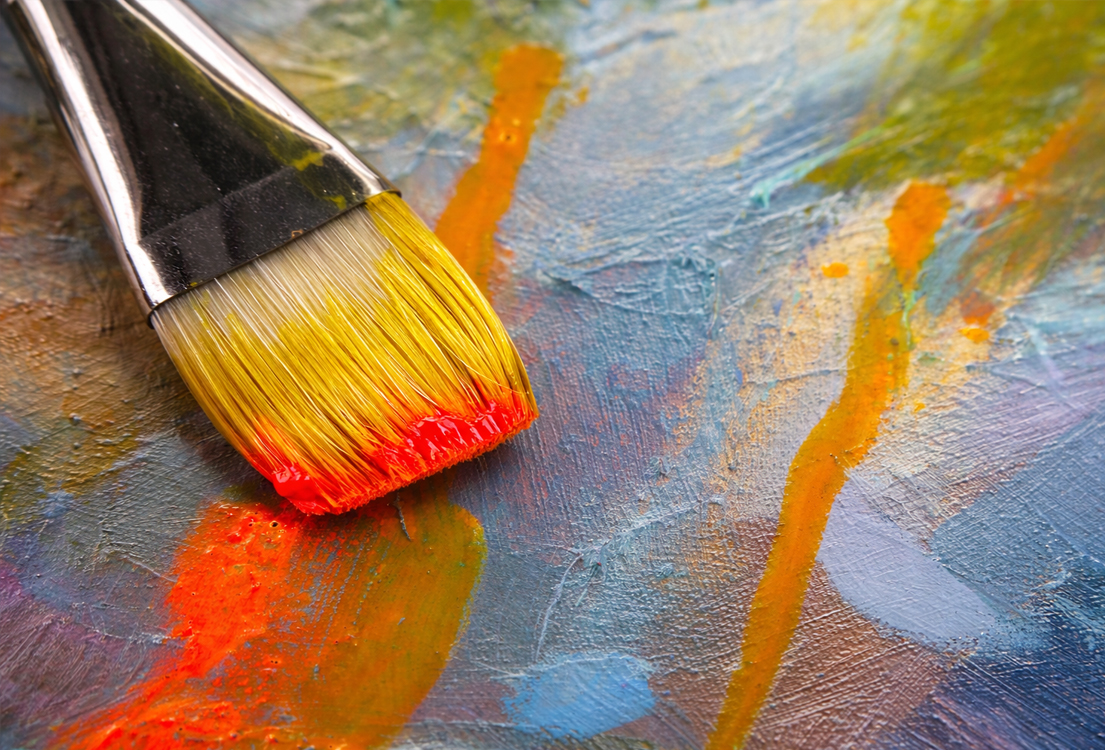
When you allow it to flow, drip, or smear, unexpected textures appear.
A stiff hog bristle brush can push thick paint while still leaving visible brush marks.
Try this:
Thin your paint slightly and let it run across the canvas.
Thin your paint slightly and let it run across the canvas.
6. Suggest Instead of Describe
Abstract painting hints rather than explains.
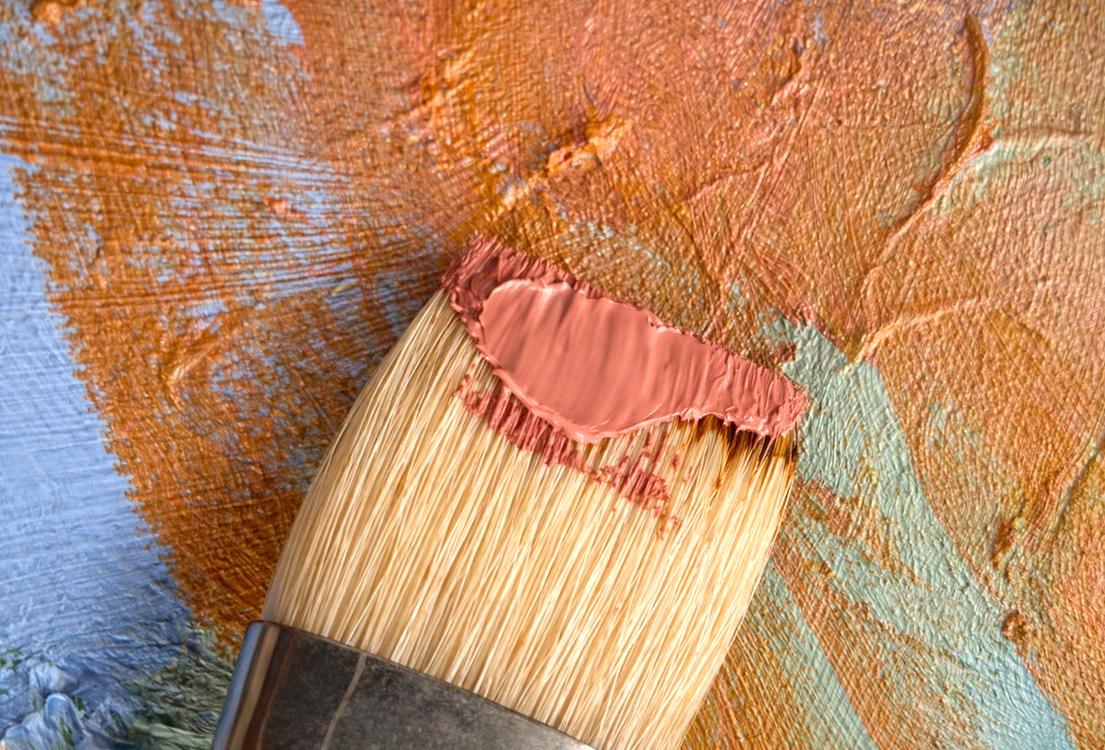
Instead of painting every edge clearly, allow shapes to fade or merge.
Try this:
Use the edge of a flat brush to create broken or disappearing lines.
Use the edge of a flat brush to create broken or disappearing lines.
7. Start With Pure Abstraction
Another method is to start with random colour and marks.
Then slowly discover shapes within the chaos.
Try this:
Use broad strokes to cover the canvas without a plan.
Then rotate the canvas and see what emerges.
Use broad strokes to cover the canvas without a plan.
Then rotate the canvas and see what emerges.
8. Mix Realism and Abstraction
You don’t have to abandon realism completely.
A painting can combine recognisable forms with abstract areas.
This contrast makes the work more dynamic.
Try this:
Paint one small area clearly and keep the rest loose.
Paint one small area clearly and keep the rest loose.
9. Paint With Your Non-Dominant Hand
This instantly loosens your marks.
The lines become less controlled and more expressive.
Try this:
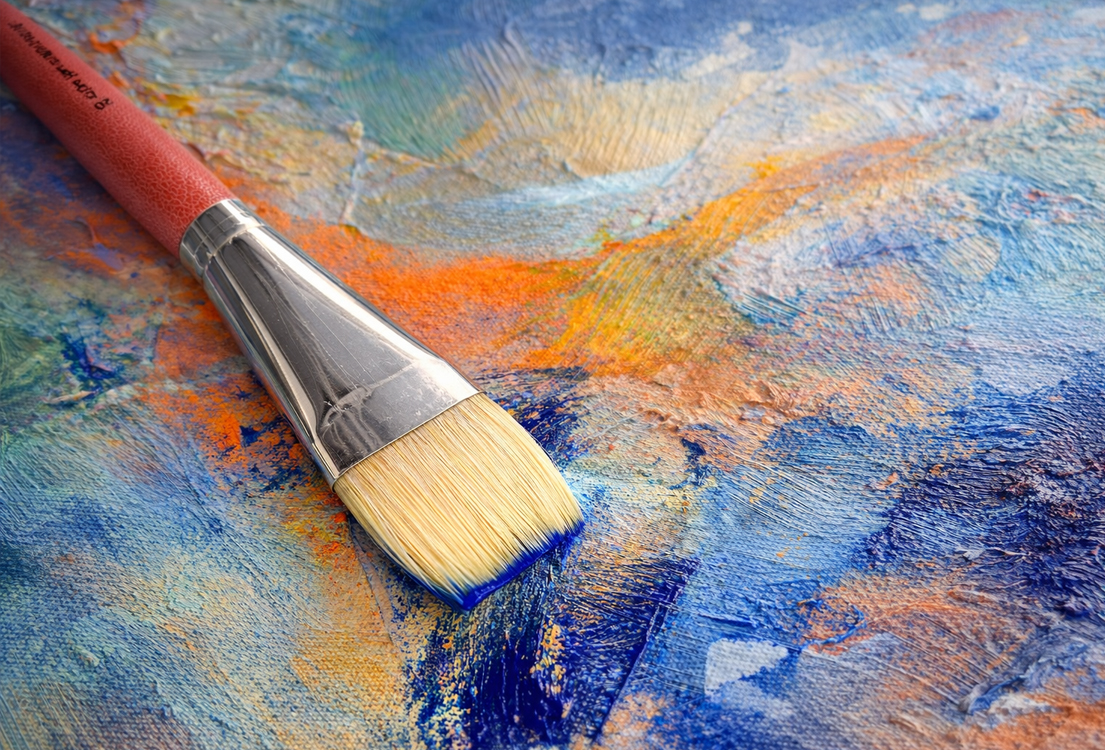
Sketch the main shapes using your non-dominant hand and a flat brush.
Sketch the main shapes using your non-dominant hand and a flat brush.
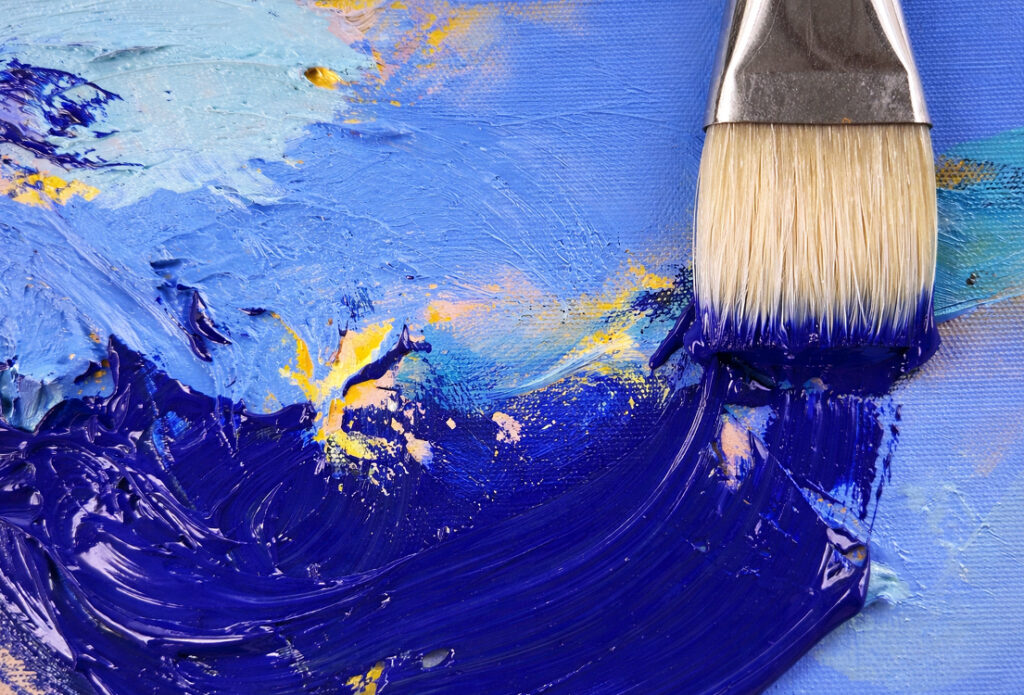
10. Add Texture
Texture adds interest when imagery becomes minimal.
Flat hog bristle brushes are perfect for pushing thick paint into textured surfaces.
Try this:
Use heavy paint or texture paste and drag your brush through it.
Use heavy paint or texture paste and drag your brush through it.
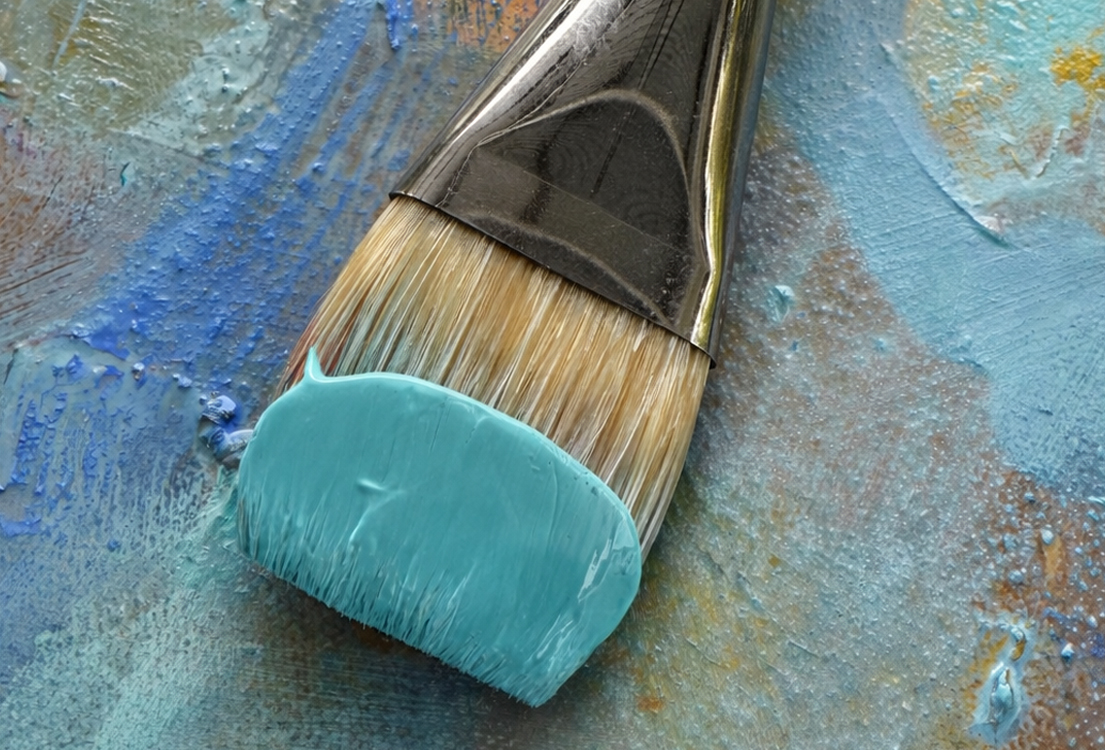
11. Work Wet Into Wet
Painting into wet paint allows colours to blend and soften naturally.
Edges become less defined and more atmospheric.
Try this:
Mist your canvas with water before adding paint.
Mist your canvas with water before adding paint.
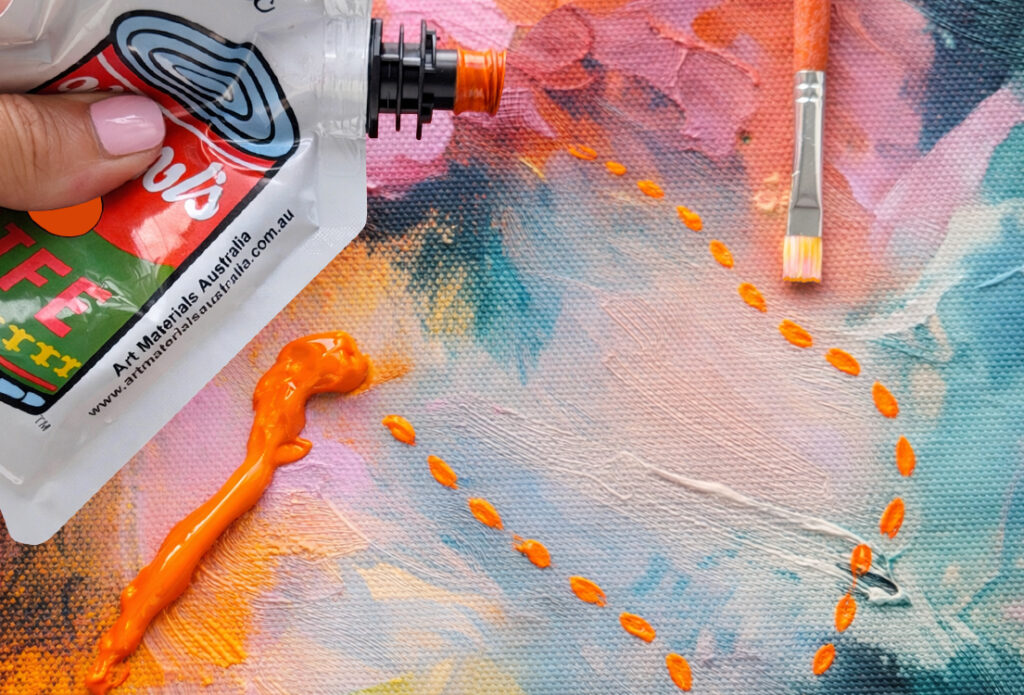
12. Disrupt the Painting
Sometimes the most exciting marks happen when you interrupt the painting.
Unexpected gestures add energy.
Try this:
Load a flat brush with colour and make a single bold swipe across the canvas.
Load a flat brush with colour and make a single bold swipe across the canvas.
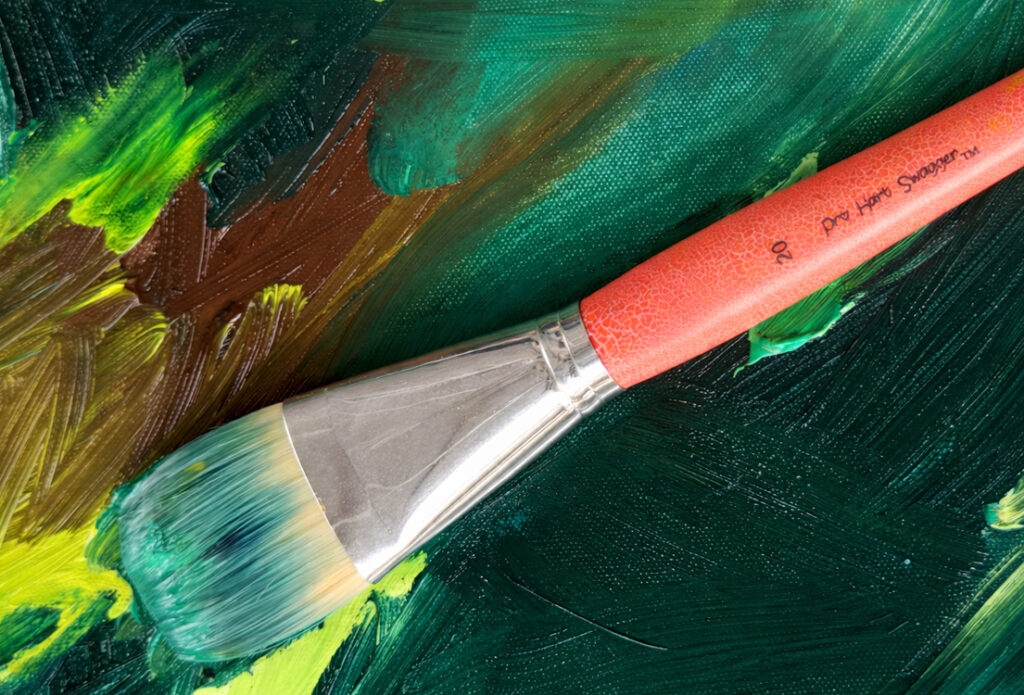
13. Use the “Mostly, Some, and a Bit” Rule
A strong painting often uses:
- Mostly one colour
- Some of another
- A small accent colour
This keeps the composition balanced and clear.
Try this:
Choose one dominant colour and use the others sparingly.
Choose one dominant colour and use the others sparingly.
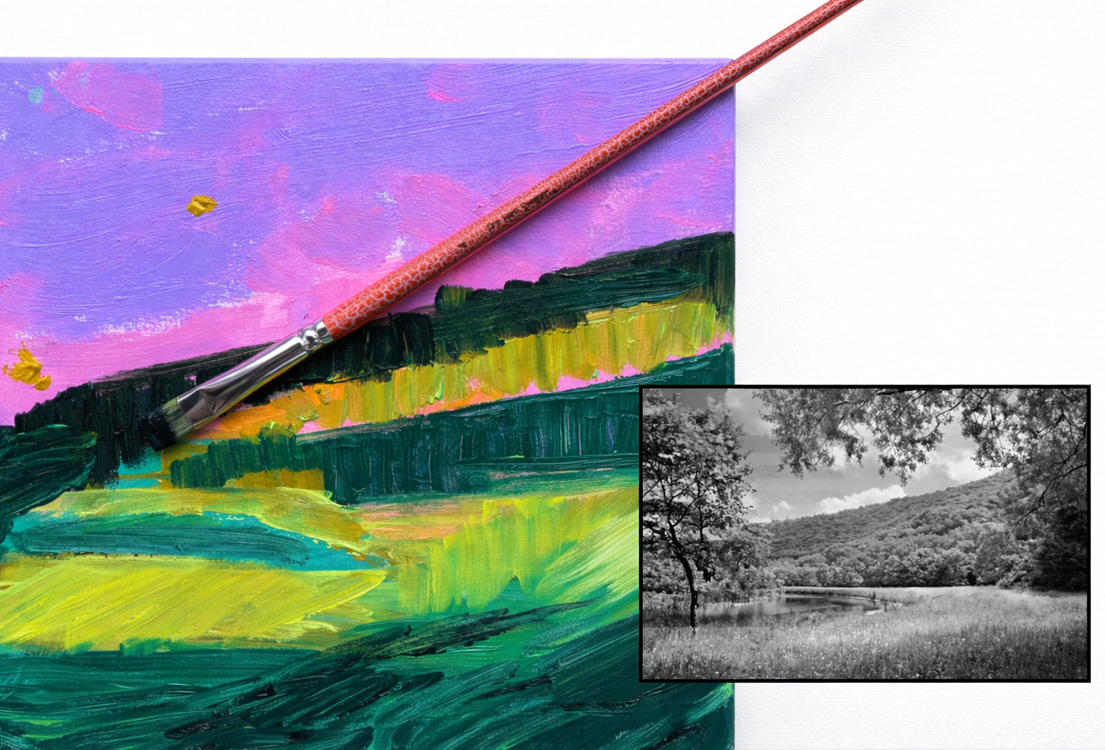
14. Change Your Reference Image
If you use reference photos, modify them.
Move elements, simplify shapes, or alter colours.
Try this:
Paint the subject in colours that don’t exist in the original photo.
Paint the subject in colours that don’t exist in the original photo.
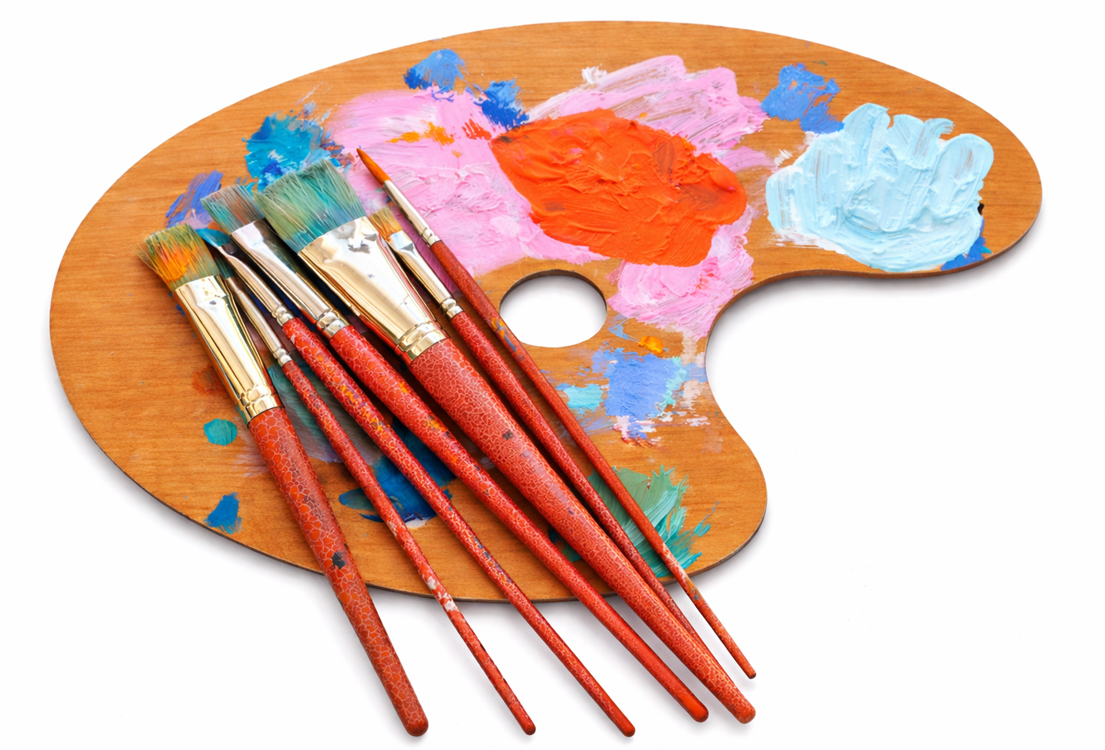
15. Limit Your Colour Palette
Fewer colours often create stronger paintings.
It also helps you focus on values and shapes rather than details.
Try this:
Use only three colours plus white.
Use only three colours plus white.
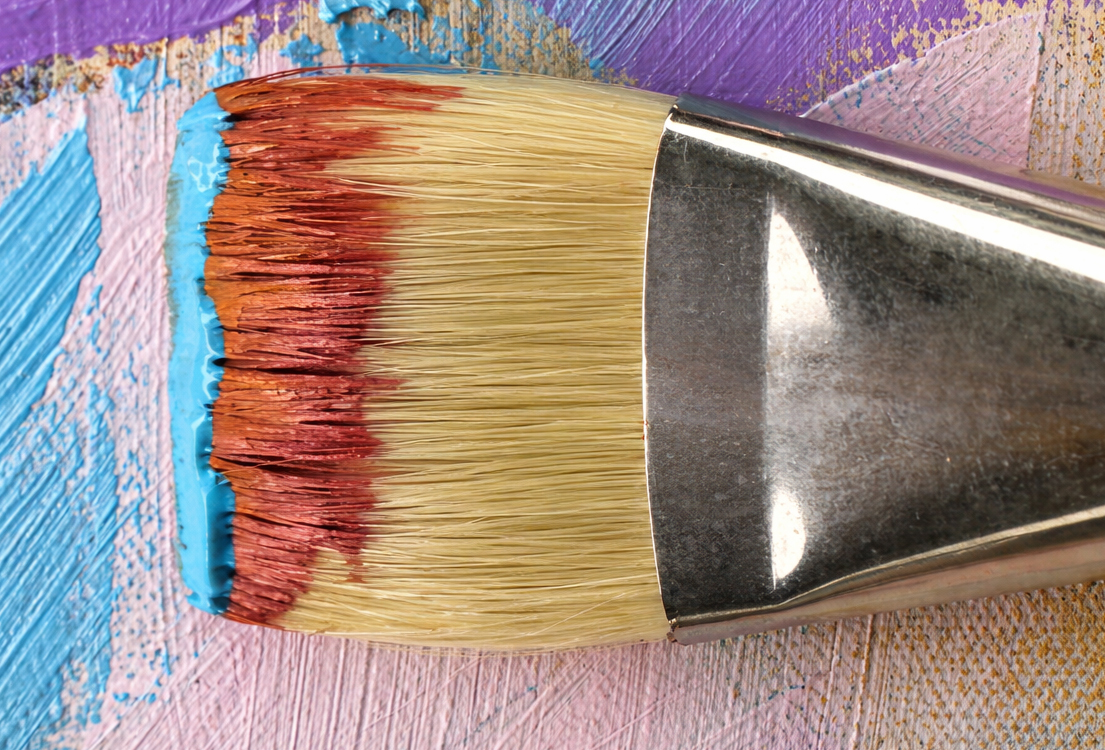
16. Let the Edges Fade
Many abstract paintings guide the eye toward a focal point.
You can do this by allowing edges to fade or dissolve.
Try this:
Softly blend the outer areas of the painting with a large flat brush.
Softly blend the outer areas of the painting with a large flat brush.
The Secret to More Abstract Paintings
Abstract painting isn’t about abandoning skill.
It’s about simplifying, experimenting, and trusting the process.
A good flat hog bristle brush makes this easier because it encourages confident strokes, expressive textures, and bold marks.
And sometimes the best results happen when you stop trying to control every detail — and simply enjoy the act of painting.
VIPurpose Flat Hog Bristle Paint Brush by Pro Hart Swagger
With competitive prices and dedication towards our customer satisfaction, we here at Art Materials Australia pride ourselves on providing you with quality paint brushes. Shop our flat Hog bristle paint brush range and sign up for our VIPurpose points program.
Contact us
If you have any queries, please do not hesitate to contact an Art Materials Australia creative member.
Text: 0411248217
E: orders@artmaterialsaustralia.com.au
Join us: Facebook, Instagram, TikTok, Pinterest or Youtube.


