
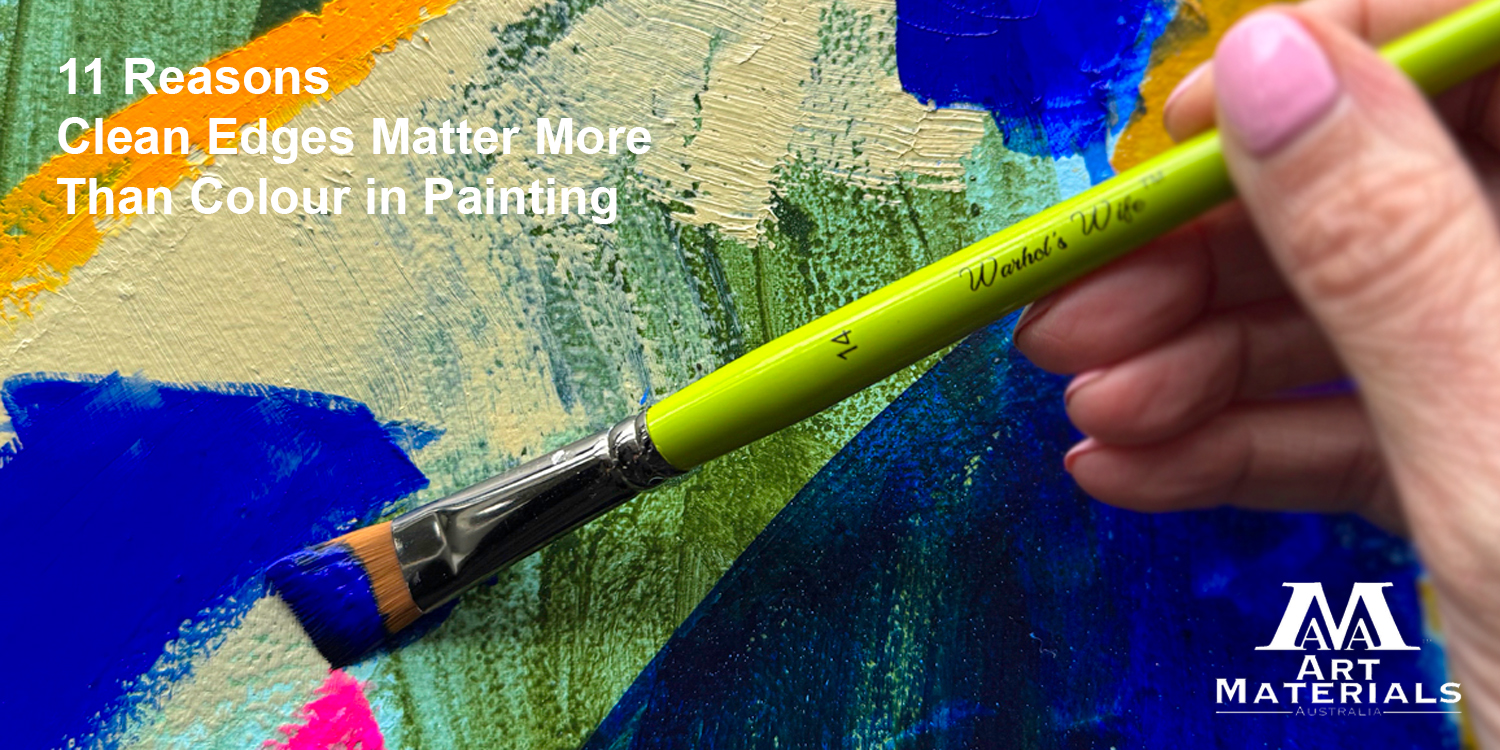
Angled Paint Brushes for Clean Edges and the Brush That Makes Them Possible
Colour often receives the credit in painting, but edges reveal the truth. Clean edges in painting separate confident work from uncertain work. They communicate intention before colour is ever considered.
When a painting feels unfinished or amateur, the problem is rarely colour choice. More often, it is weak edge control. Viewers may not name it, but they feel it immediately.
Professional artists understand this instinctively. They know that edges define structure, form, and authority. Colour enhances a painting, but edges give it credibility.
1. Clean Edges Signal Confidence
Clean edges in painting signal that the artist knows exactly where a stroke begins and ends. They show decisiveness rather than hesitation. This clarity builds trust with the viewer.
Messy edges suggest uncertainty. They imply correction, overworking, or a lack of control. Even expressive styles rely on intentional edges.
Strong painters control their edges deliberately. Some edges are sharp. Others are soft. What matters is choice.
This level of control does not come from colour theory alone. It comes from tools that support precision.
2. Why Many Artists Struggle With Edge Control
Many artists search for how to paint clean lines because their technique feels sound, yet the results disappoint. They practice steadily and study composition. Still, their work feels unresolved.
The issue is often blamed on skill. In reality, it is frequently caused by a tool mismatch. Brush shape plays a larger role than most artists realise.
Flat brushes can feel rigid at the edges. Round brushes often lack stability at boundaries. Both can fight the natural movement of the wrist.
Painting edge control improves dramatically when the brush shape works with the hand rather than against it.
3. The Hidden Importance of Brush Shape
Brush shape dictates how paint meets the surface. It determines whether a line feels deliberate or accidental. This is especially true at boundaries and transitions.
A brush that resists control forces constant correction. Corrections soften edges unintentionally.
Softened edges accumulate and weaken the painting’s structure.
Softened edges accumulate and weaken the painting’s structure.
Artists who value professionalism reduce these problems at the source. They choose tools that support precision without strain. They let the brush guide the movement.
This is where angled paint brushes for clean edges quietly earn their reputation.
4. Why Professionals Focus on Edges First
Professional painters often plan edges before colour application. They decide where form needs clarity and where softness serves depth. This planning creates a visual hierarchy.
Edges guide the eye. They tell the viewer where to look and where to rest.
Strong edge control makes the composition feel effortless.
When edges are intentional, colour becomes more effective. Transitions appear smoother. Shapes feel anchored.
This is why professionals rely on angled paint brushes for clean edges rather than forcing straight brushes to perform tasks they resist.
5. How Angled Brushes Improve Edge Control
An angled brush features bristles cut on a diagonal. This shape creates a natural point and a controlled edge simultaneously. It mirrors the natural arc of wrist movement.
The longer corner allows precise line placement. The shorter edge supports smooth transitions. Rotation adjusts width without changing tools.
This design makes it easier to paint confident boundaries. Corners, contours, and intersections feel less demanding. The brush responds predictably.
Artists searching for how to paint clean lines often discover that technique improves rapidly when the tool stops fighting the hand.
6. Clean Lines Without Tension
Tension is the enemy of clean edges. When the hand tightens, strokes become hesitant. Edges soften unintentionally.
Angled paint brushes for clean edges reduce this tension. They encourage a lighter grip and steadier motion. The shape supports calm execution.
Instead of forcing straight strokes, artists follow the angle. This produces cleaner results with less effort. Confidence replaces correction.
Over time, muscle memory develops. Edge control becomes instinctive rather than deliberate.
7. Painting Edges Control Across Styles
Edge control is not limited to realism. Abstract, landscape, and expressive work all depend on intentional boundaries. Every style benefits from clarity.
Landscape painters use angled brushes for tree lines and architecture. Edges remain defined without stiffness. Natural variation appears effortlessly.
Portrait painters rely on angled brushes for facial planes. Jawlines, cheekbones, and hairlines benefit from controlled transitions. Edges guide form without harshness.
Decorative painters and illustrators use angled brushes for lettering and motifs. Line weight variation becomes consistent. Results look polished and professional.
Across disciplines, angled paint brushes for clean edges serve the same purpose. They restore control at critical moments.
8. Why Edges Matter More Than Colour
Colour attracts attention, but edges maintain it. A painting with strong edges feels resolved, even with limited colour. A painting with weak edges feels unfinished, regardless of palette.
Viewers respond to structure first. Edges define structure. They anchor colour to form.
Artists who master edges gain flexibility. They can simplify colour without losing impact. They can push expression without losing clarity.
This mastery begins with understanding tools, not just technique.
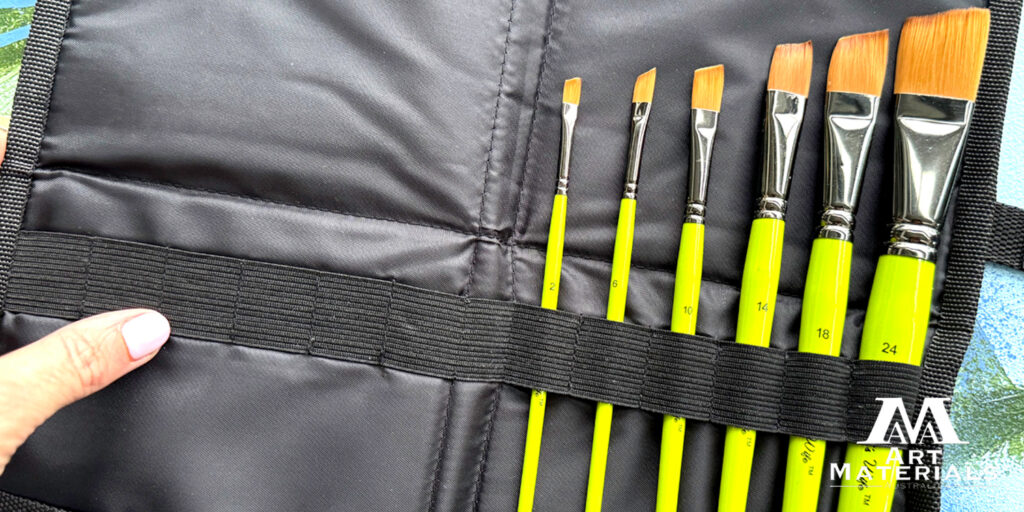
9. Choosing the Right Brush for Clean Edges
Quality matters when edge control is the goal. Poorly cut brushes lose shape quickly. This leads to inconsistent results.
A well-made, angled brush holds its profile. It snaps back after each stroke. This consistency builds trust.
Size selection matters as well. Smaller brushes suit detail and tight boundaries. Larger brushes suit broad but controlled shapes.
One reliable brush often replaces several compromised tools. This simplifies the studio and sharpens focus.
Artists who invest in angled paint brushes for clean edges often notice improvements immediately.
10. From Frustration to Authority
Many artists assume frustration is part of growth. Some struggle longer than necessary. Tools should support progress, not delay it. When edge control improves, confidence follows. Confidence changes how artists approach their work. Decisions become clearer. Painting feels purposeful rather than reactive. Corrections decrease. Satisfaction increases. This transformation does not require more colour. It requires better control.
11. The Quiet Professional Solution
Professionals rarely announce their tools loudly. They rely on what works consistently. They value restraint over novelty.
Angled paint brushes for clean edges represent this philosophy. They solve a specific problem elegantly. They respect the craft.
Artists seeking clean edges in painting often discover that the solution was always practical. It was never about talent. It was about choosing the right brush.
Final Thoughts
Clean edges matter because they communicate intention. They show respect for the viewer and the work. They signal confidence without explanation.
Colour enhances a painting, but edges define it. Control transforms effort into authority. Authority builds trust.
For artists serious about their practice, tools matter. Choosing angled paint brushes for clean edges is not a shortcut. It is a commitment to clarity.
👉 Discover Our Popular Angle Paint Brush Collection
VIPurpose Paint Brushes
With competitive prices and dedication towards our customer satisfaction, we here at Art Materials Australia pride ourselves on providing you with quality paint brushes. Shop angled paint brushes and sign up for our VIPurpose points program today and get even better discounts through our store and online purchases on all the art materials you need.
Contact us
If you have any queries, please do not hesitate to contact an Art Materials Australia creative member.
Text: 0411248217
E: orders@artmaterialsaustralia.com.au
Join us: Facebook, Instagram, TikTok, Pinterest or Youtube.


